Ma participation à Wikipédia prend Montréal

http://player.ooyala.com/player.js?video_pcode=xobms6AdYCCdgiz_Qwxh2JOYMmEU&height=348&deepLinkEmbedCode=w2Mm5yMjrxNDF1XQyTh5g3W9Sg5egftM&embedCode=w2Mm5yMjrxNDF1XQyTh5g3W9Sg5egftM&width=620

Dimanche dernier, j’ai participé à Wikipédia prend Montréal avec mon ami photographe, Alexandre Albert. Oui, le même dimanche qu’il y avait les restants de l’ouragan Irène à Montréal.

L’objectif de la journée était d’amasser des photos libres de droits pour Wikimedia Commons et ainsi enrichir de photos les articles qui portent sur les différents lieux de Montréal dans l’encyclopédie Wikipédia.

Évidemment, plutôt que de faire un appel général sur le web et d’espérer que des volontaires s’occuperaient de prendre des photos, les organisateurs ont créé un évènement ludique autour d’une chasse avec collecte de points et possibilité d’obtenir des prix. Finalement, c’est 112 personnes réparties dans 59 équipes qui ont bravé la pluie et le vent pour tenter de prendre en photos 394 cibles offrant différents niveaux de pointage selon la complexité à les obtenir. Par exemple, on obtenait 1 point pour le Stade olympique, mais 100 points pour un surfeur sur les vagues adjacentes à Habitat 67.

Pour moi, participer à cette journée visait à redonner à Wikipédia pour tous les fois que le site a répondu à mes besoins d’informations, mais il y avait aussi un aspect de fierté montréalaise de vouloir améliorer les articles qui traitent de ma ville. Sans oublier que c’était amusant de courir les rues sous la pluie comme des gamins en tentant de trouver des ruelles vertes ou multiples bâtiments de Montréal. Surtout que nous étions loin des 2634 points de l’équipe gagnante.

Pour vous faire une idée de la journée, je vous invite à regarder le diaporama produit par le journaliste de la Gazette, Roberto Rocha, qui a couvert l’évènement. À 1m13s, c’est moi dans la ruelle tenant un parapluie. 

I’m not a scoundrel. I have no desire to visit the darknet and steal someone’s intellectual property. At the same time, it makes no sense to me that my friend in Australia can buy a book by a Canadian author for $7 cheaper than I can only because the publishers have negotiated Agency pricing agreements here. In what world does it make sense that I can buy a paper book online from the US and have it shipped to me in Canada, but I cannot legally obtain a digital edition from the same store and download it to my device? And why is a digital copy ever more expensive than the paperback edition?

Buying books: a reader’s perspective, by Vicki Fox Smith | TeleRead: News and views on e-books, libraries, publishing and related topics

C’est des histoires comme ça qui me fond penser que l’industrie du livre va répéter les mêmes erreurs que l’industrie de musique. 

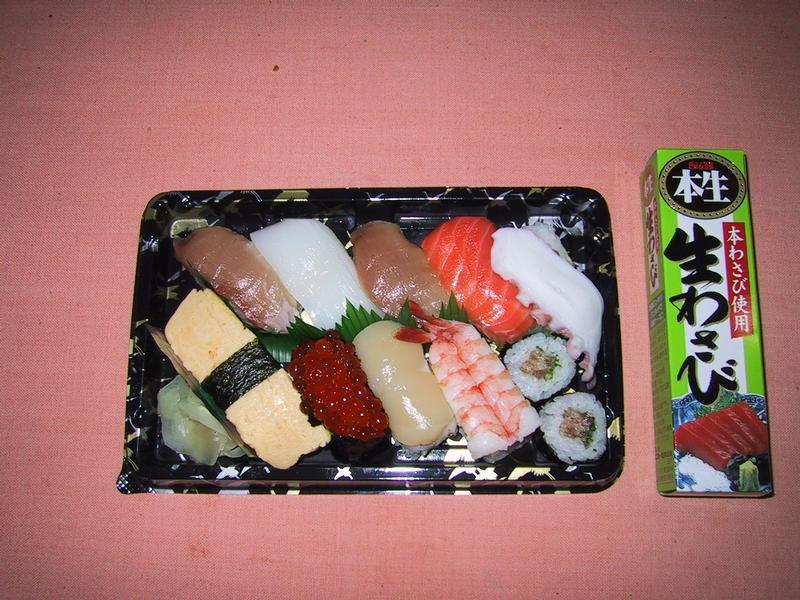
The photo above, for instance, was once accessible at the URI http://yoda.zoy.org/2000/12-12-Appart/wasabi.jpg, then http://ot.zoy.org/photos/2000/12-12-Appart/wasabi.jpg, then http://ot.zoy.org/2000/12-12-Appart/wasabi.jpg and now http://olivier.thereaux.net/2000/12-12-Appart/wasabi.jpg.

All these URIs still work (try it…), not just because Cool URIs don’t change (or rather, they don’t go 404 on you without at least a goodbye note), or because I am a fundamentalist of the church of persistent URIs. Indeed, when I consider a web space transient by design, I have no qualms in deleting hundreds of URIs from existence. On this site, however, I care, and I can. No database, not much code, and only a handful of lines of redirects in my server’s configuration file.

A Web Artisan’s Manifesto

Si seulement tout le monde avait la même préoccupation quand vient le temps de gérer le contenu publié sur le web.

One reader challenged me to a test: make one book available both on paper and as an unprotected PDF file. Report the effect of sales after one year. I did that. The results were clear: Piracy was rampant. The book was everywhere online. But weirdly, my readers were also proved right. Sales of the printed edition did not suffer; in fact, they rose slightly year over year.

A recent satirical children’s book showed how piracy can actually boost sales. Months before the book came out, a PDF of the story was leaked online and promptly went viral. Yet the leak generated so much interest in the book that eager readers soon pushed it to the top of Amazon’s best-seller list.

David Pogue – The Perils of Copy Protection: Scientific American

Tout en encourageant les gens à acheter une copie physique pour une bibliothèque ou une école, Cory Doctorow offre toujours gratuitement la version numérique de ses livres sur le web. Je lis présentement For The Win téléchargé gratuitement en version ePub, mais la version papier devrait arriver par la poste cette semaine.

It takes an employee, deciding that the loss of high-value customers is important, to run a query of all their data and find him, and then turn that into a business advantage. Without the right questions, there really is no such thing as big data – and today, it’s the upstarts that are asking all the good questions.

There’s no such thing as big data – O’Reilly Radar

Les opportunités sont parfois dans les détails.